

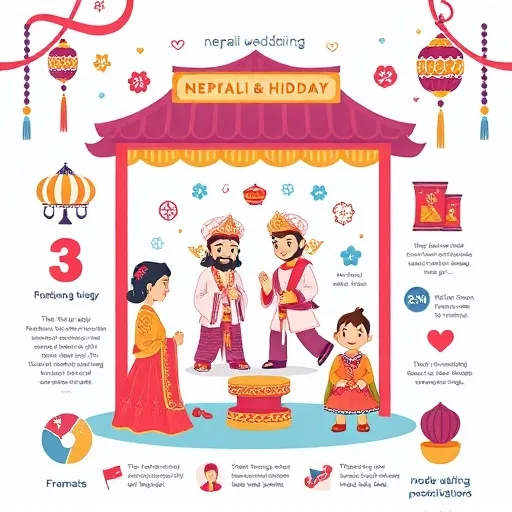
Nepali wedding tradi
Understanding the Foundation of Nepali Wedding Traditions and Rituals
Nepali wedding traditions and rituals are steeped in spirituality. The overwhelming majority of ceremonies follow Hindu Vedic customs, but Nepal also embraces Buddhist wedding practices, and interfaith plus civil ceremonies are popping up more and more in cities. What really sets Nepali wedding traditions and rituals apart is how they've kept ancient practices alive while rolling with modern life — it's this balance that makes them so fascinating to explore.
Historically, weddings in Nepal were arranged by families, with astrologers playing a huge role in matching horoscopes, picking auspicious dates, and making sure the bride and groom were compatible. Arranged marriages still happen, particularly in rural communities, but love marriages have gained wide acceptance across Nepal in recent years. These days, lots of couples get the best of both worlds — meeting on their own, then formalizing things through traditional rituals that honor their families. It's a beautiful blend that shows how Nepali wedding traditions and rituals keep evolving.
The wedding itself usually stretches over several days, each with its own ceremonies and meaning. The exact order and length can shift a lot depending on ethnicity — a Newar wedding in the Kathmandu Valley looks totally different from a Tharu wedding in the western Terai, or a Sherpa wedding up in the Everest region. That diversity is part of what makes Nepali wedding traditions and rituals so rich.
Pre-Wedding Rituals and the Roka Chait Sagun Engagement Ceremony
Before the big day, a bunch of important pre-wedding rituals take place. These ceremonies get both the bride and groom ready — spiritually, emotionally, and socially — for their new life together, and they're a key piece of Nepali wedding traditions and rituals.
The first formal step is often the roka, where the two families officially agree to the match. Then comes chait, a ritual where the bride's family visits the groom's home bearing gifts and blessings. In many communities, a supari (betel nut) exchange seals the engagement, symbolizing a commitment that's considered binding.No Deposit Bonus
The sagun ceremony is another big pre-wedding ritual where the bride's family presents the groom with gifts, sweets, and auspicious items. It's often combined with an engagement celebration where rings get exchanged and the couple publicly announces their plans to marry. The sagun is loaded with symbolism — yogurt, rice, and other offerings represent fertility, prosperity, and goodwill. These Nepali wedding traditions and rituals lay a strong foundation for what's to come.No Deposit Bonus
Influenced by broader South Asian wedding trends, many Nepali couples now throw in mehendi (henna) and sangeet (music and dance) nights. These lively events bring family and friends together to apply intricate henna designs on the bride's hands and feet and perform both traditional and contemporary dances. They've become especially popular among younger couples and diaspora families, adding a fun modern layer to Nepali wedding traditions and rituals.
Ganesh Puja Janti Procession and Kanyadaan Ceremony Rituals
The heart of any Nepali wedding is the main ceremony day, which typically involves several distinct rituals, each packed with meaning. Almost every Hindu Nepali wedding kicks off with a Ganesh Puja, invoking blessings from Lord Ganesha, the remover of obstacles. This is performed at both the bride's and groom's homes to ensure a smooth, auspicious ceremony. Family members and priests chant mantras, offer flowers, and pray for the couple's happiness and prosperity.
One of the most visually spectacular elements of Nepali wedding traditions and rituals is the janti — the groom's grand procession. With family, friends, musicians, and dancers in tow, the groom travels to the bride's home or venue in a celebratory parade. The janti is often led by a traditional naumati baja (nine-piece band) playing festive Nepali music. Lately, janti processions have gotten bigger and more elaborate, with decorated vehicles, horse-drawn carriages, and even flash mobs adding a modern twist to these Nepali wedding traditions and rituals.
Upon arrival, the groom gets welcomed with a swagat — a formal reception involving tika (a mix of yogurt and rice applied to the forehead), flower garlands, and offerings. This warm welcome shows respect and hospitality from the bride's family toward the groom's.
Then comes the kanyadaan, one of the most emotionally significant rituals in Nepali Hindu weddings. The bride's parents formally give their daughter to the groom, symbolizing trust and the transfer of responsibility. It's performed with deep reverence and often brings emotional moments for everyone involved — a truly moving chapter in Nepali wedding traditions and rituals.
The central ceremony, usually conducted by a pandit (Hindu priest), has the couple taking vows before the sacred fire (Agni). The lagna rites include the saptapadi — seven steps around the fire — where the couple commits to seven promises: nourishment, strength, prosperity, happiness, family, longevity, and friendship. Each step represents a blessing and a lifelong commitment, and it's the emotional core of Nepali wedding traditions and rituals.
After the vows, the groom applies sindoor (vermillion powder) to the parting of the bride's hair and places a tilak on her forehead. The bride may also receive a pote (a necklace of red and gold beads or glass), which signals marital status in Nepali culture — kind of like how a wedding ring works in Western cultures. Modern couples often add a mangalsutra exchange and Western-style wedding rings too, reflecting global trends while still honoring traditional Nepali wedding traditions and rituals.No Deposit Bonus
Newar Sherpa and Tharu Regional Wedding Variations
Nepal is incredibly diverse, with over 100 ethnic groups, each with its own distinct wedding customs. The Newar community of the Kathmandu Valley has some of the most elaborate rituals in Nepal — including the ihi (a pre-adolescent ritual marriage to the god Vishnu) and the bara, where the bride stays in a darkened room for up to twelve days before her actual wedding. The swayambara and la kha rituals are also deeply significant in Newar tradition.
Sherpa weddings in the Himalayan region follow Buddhist traditions, with lamas (Buddhist priests) conducting ceremonies instead of pandits. These emphasize community feasting, the exchange of katas (white ceremonial scarves), and blessings from elders — simpler in structure but rich in meaning. In the Terai region, Tharu communities practice distinct rituals that may involve maghauta traditions and elaborate folk dances, while Madheshi communities in the southern plains have their own variations of Nepali wedding traditions and rituals, often drawing on practices from neighboring regions.
Wedding Attire Decor Food and Music Celebration Customs
Nepali weddings are a visual feast. The bride traditionally wears a red bridal lehenga or sari, often embroidered with gold and silver thread — red symbolizes auspiciousness and is considered the most fortunate color for a bride. She's adorned with gold jewelry, including earrings, bangles, and a mangalsutra or pote. The groom traditionally wears a daura suruwal (Nepal's national dress) with a dhaka topi for the main ceremony, though many grooms now opt for sherwanis or Western suits for specific events. Decor typically features marigolds, roses, and traditional elements like diwas (oil lamps) and mandap structures made from bamboo and flowers — and in 2026, fusion decor blending traditional motifs with modern minimalist aesthetics is all the rage.
No talk of Nepali wedding traditions and rituals is complete without the food and entertainment. Feasts are legendary — expect dal bhat, momo (dumplings), sel roti (sweet rice bread), yomari, and a spread of pickles, curries, and sweets. Music is integral too: traditional instruments like the madal, sarangi, and panche baja fill the air during rituals, while DJs and live bands keep the dance floor busy at receptions with dohori folk dances plus Bollywood and Nepali pop hits.
Modern Trends Destination Weddings and Eco-Friendly Celebrations in 2026
Nepali wedding traditions and rituals are evolving fast. In 2026, several trends are redefining how couples celebrate. Destination weddings are booming, with couples choosing scenic spots like Pokhara, Nagarkot, and Chitwan. Intimate ceremonies with just close family (followed by larger receptions) are increasingly popular. Digital invitations and hybrid celebrations have become standard thanks to diaspora families living abroad. Eco-friendly weddings with sustainable decor and locally sourced flowers are a growing priority. Inter-caste and interfaith marriages are leading to beautiful fusion ceremonies that honor multiple traditions. And professional wedding planning is making multi-day events way more streamlined, especially in Kathmandu and Pokhara.
If you're lucky enough to be invited to a Nepali wedding, dress modestly and festively (bright colors welcome, but skip black and white — they're considered inauspicious). Bring a gift or cash in an envelope, and be ready to participate — you may be asked to dance, apply tika, or join the janti. Respect the solemn moments like kanyadaan, and pace yourself since ceremonies can span several days. For couples planning their own, working with a pandit or cultural advisor early is key to understanding the sequence of rituals and choosing auspicious dates.
At their core, Nepali wedding traditions and rituals are all about connection — between two people, between families, and between generations. The rituals may vary by region and ethnicity, and modern couples may add their own touches, but the essence stays the same: a celebration of love, commitment, and community. In 2026, as Nepal keeps modernizing, these Nepali wedding traditions and rituals serve as a beautiful anchor to cultural identity — reminding us that weddings aren't just about the couple, but about the village, the ancestors, and the future all coming together in one joyful, sacred moment. Whether you're attending a traditional Newar ceremony in Kathmandu, a Sherpa wedding in the mountains, or a modern fusion celebration in Pokhara, Nepali wedding traditions and rituals will leave you with memories that last a lifetime.